
Dermoscopy
Dermoscopy is a non-invasive method for examining superficial skin lesions, such as moles, pigmented spots, and other neoplasms, using a dermatoscope.
A dermatoscope is a device with a powerful magnifying lens (usually 200x magnification and more) and a light source. Modern dermatoscopes can also be connected to a computer, which allows for image storage and monitoring changes over time
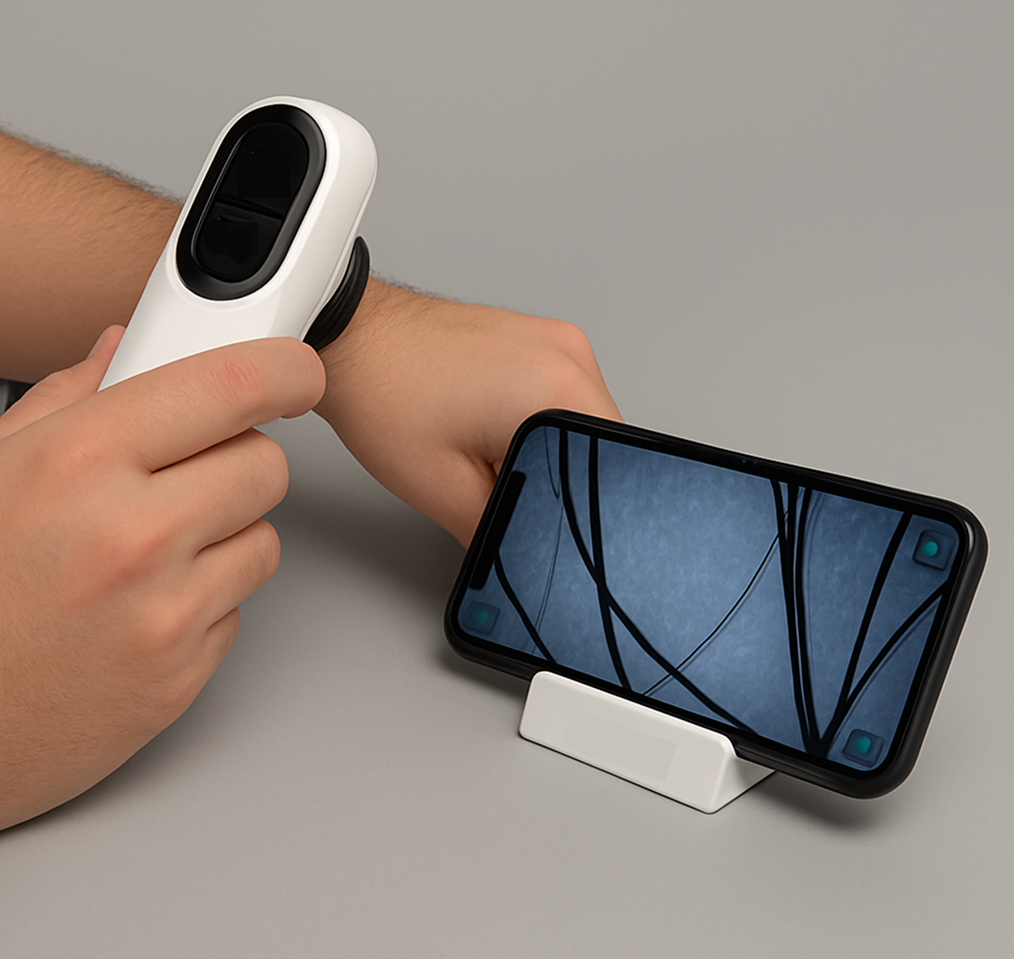
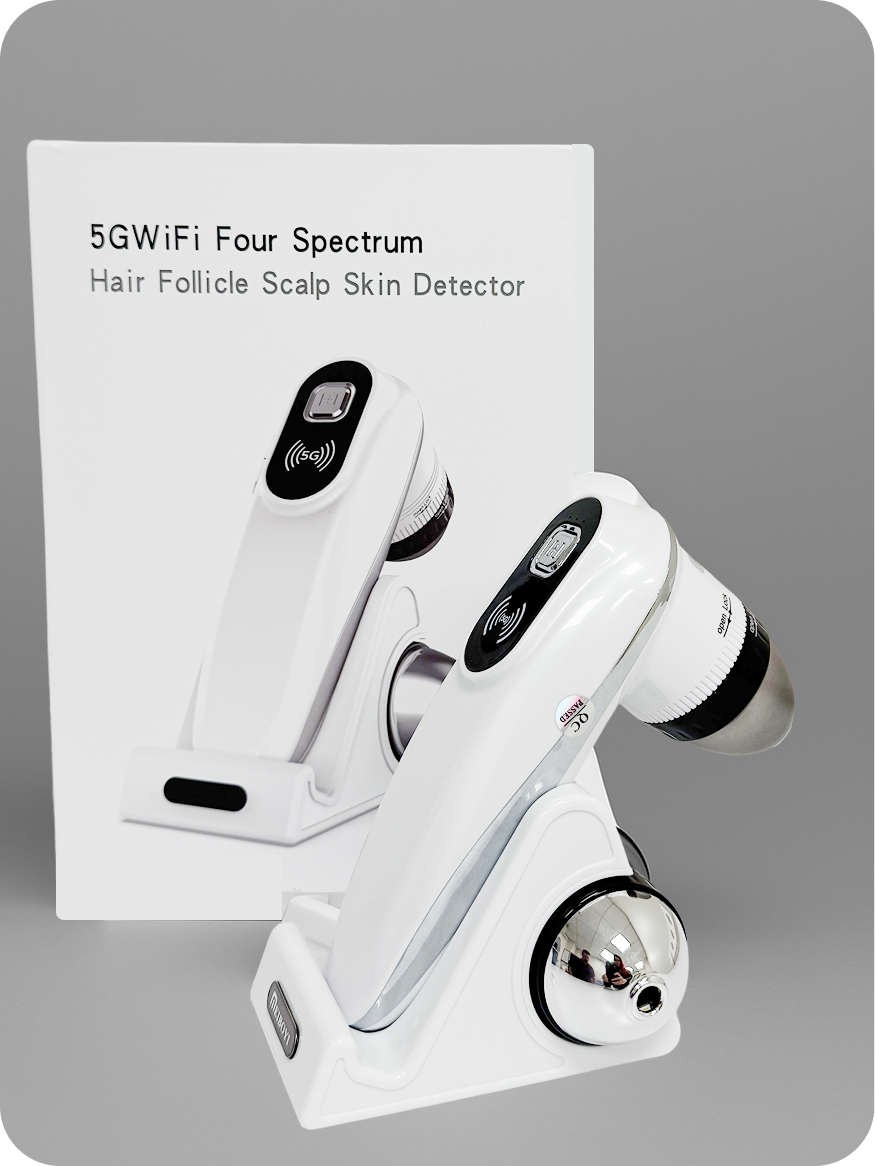
What dermoscopy reveals:

detailed skin structure: The dermatoscope allows visualization of the epidermis, its color, the dermo-epidermal junction, and the papillary layer of the dermis—structures that are impossible to discern without magnification;
signs of malignant transformation: this is the primary purpose of dermoscopy. The method helps to differentiate benign growths from malignant ones (e.g., melanoma, basal cell carcinoma) at early stages when they are still invisible to the naked eye. Parameters evaluated include symmetry, pigment distribution, the presence of various colors and structures, and the vascular pattern;
monitoring changes: If a patient has many moles or suspicious formations, their images can be stored and compared during subsequent visits to track any changes in size, shape, or color;
diagnosis of other skin diseases: dermoscopy is also used to diagnose keratomas, warts, hemangiomas, inflammatory skin diseases (e.g., psoriasis, scabies), fungal infections, and hair problems (trichoscopy).
Advantages of dermoscopy:

non-Invasive: it is painless and does not require breaking the skin, which eliminates the risk of infection and scarring;
high accuracy: it significantly increases the accuracy of skin neoplasm diagnosis compared to a simple visual examination;
early detection: it allows dangerous diseases to be detected at early stages when treatment is most effectiv;
safety: there are no contraindications or side effects, making the method accessible for pregnant women, children, and patients with allergies;
image storage: provides the capability for digital recording for dynamic monitoring and comparison over time.