
Ultrasound Diagnostics
Ultrasonography (ultrasound scanning or ultrasonography) is a modern, non-invasive method of medical imaging that uses high-frequency sound waves to create real-time visualization of internal organs, soft tissues, blood vessels, nerves, and other structures within the body.
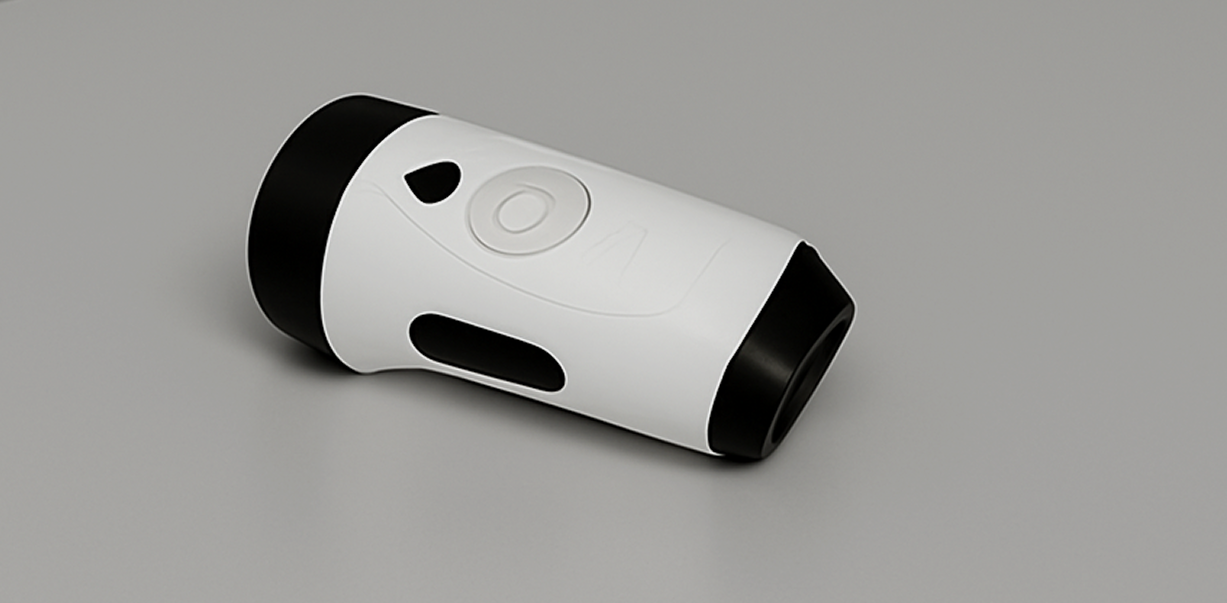
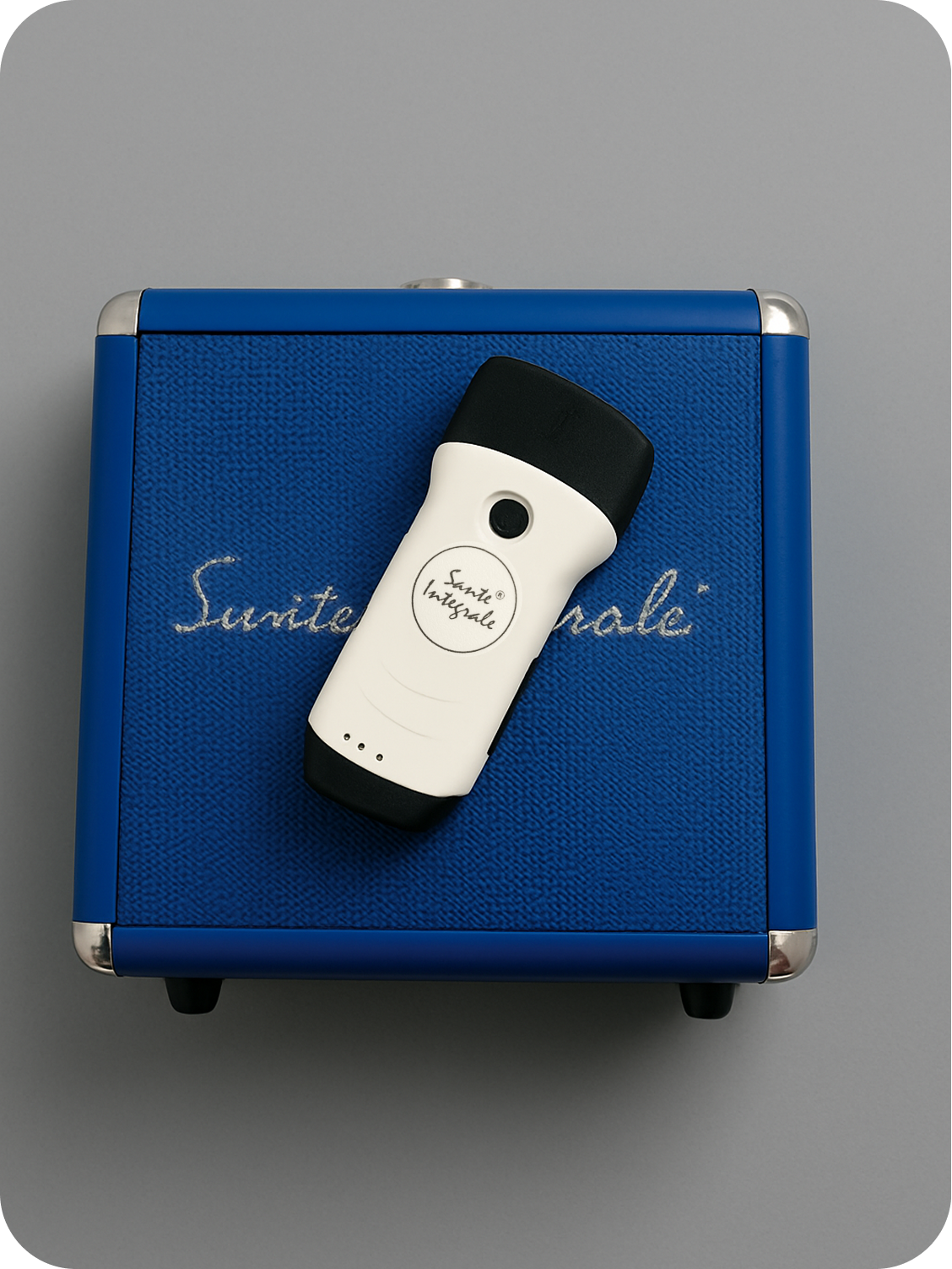
Advantages of ultrasound diagnostics:

Safety: unlike x-rays or computed tomography (CT), ultrasound does not use ionizing radiation, making it safe for all patient groups, including pregnant women and children.
Non-Invasiveness: the procedure is painless and does not require skin penetration or disrupting the integrity of the body’s surfaces.
High Informative Value: it allows obtaining detailed information on the size, shape, structure, and location of organs, the presence of neoplasms, cysts, inflammatory processes, and also enables blood flow assessment
Real-Time Capability: the ability to observe organs in motion and dynamically assess physiological processes
Accessibility and speed: ultrasound is a widely available and relatively quick diagnostic method
Ultrasonography is used in the following medical fields:

Gastroenterology: For the examination of the liver, gallbladder, pancreas, and spleen.
Pulmonology: To diagnose inflammatory processes in the lungs, pleural effusion, pneumonia, and neoplasms.
Urology: for evaluating the kidneys, urinary bladder, and prostate, and for the detection of stones, cysts, tumors, and developmental abnormalities.
Endocrinology: for the examination of the thyroid and adrenal glands.
Cardiology (echocardiography or echoCG): for assessing the structure and function of the heart, valves, and blood flow.
Traumatology and Orthopedics: For the examination of joints, ligaments, and muscles, detecting tears (ruptures), inflammatory processes, and assessing post-traumatic conditions.
Angiology (Doppler Ultrasound): For the examination of blood vessels, detecting thrombosis (blood clots) and atherosclerotic plaques, and assessing blood flow velocity.
Mammology: For the diagnosis of breast diseases, the differentiation between cysts and neoplasms, and the assessment of implant status.
Pediatrics: Due to its safety and painlessness, it is widely used for the examination of children.