
Holter ECG monitoring
Holter ECG monitoring monitoring (also known as 24-Hour ECG Monitoring or Holter Monitoring) is a method of electrophysiological instrumental diagnostics that involves the continuous, long-term recording of an ECG during a patient’s daily activities, followed by analysis of the recorded data.
This method makes it possible to detect abnormalities in the heart’s function, even if they occur very rarely, as the ECG is recorded continuously over one, two, or, if necessary, up to seven days. This technique is non-invasive and highly informative. It is used in both inpatient and outpatient settings to diagnose Coronary Heart Disease (CHD), rhythm and conduction disturbances, and to assess the effectiveness of treatment for cardiovascular diseases.

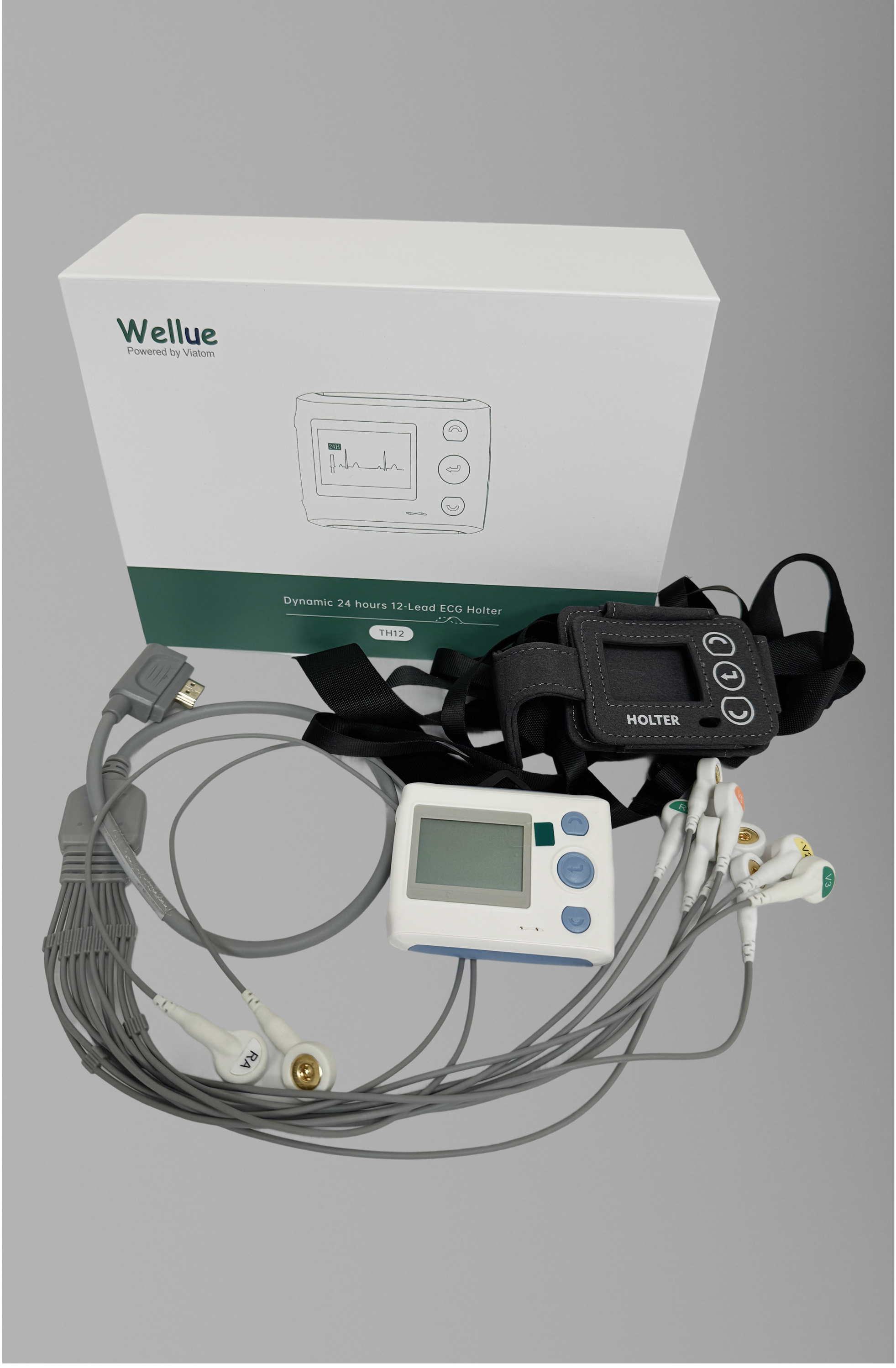
The examination consists of the continuous recording of an electrocardiogram (ECG) over 24 or more hours (48, 72 hours). The ECG is recorded using a special portable device called a recorder (or register) that the patient carries (on a shoulder strap or belt). The recording is conducted across 12 channels (leads).
Depending on the storage method, ECG recorders are subdivided into those using magnetic tape and those with electronic memory. Depending on the volume of stored information, ECG recordings can be made with continuous recording or with the recording of fragments (events).
Disposable adhesive electrodes are used to make contact with the patient’s body. Proper skin surface preparation is crucial for a quality recording: hair in the area of electrode attachment is shaved, and the skin is degreased. The skin is then wiped with alcohol, dried, and the electrodes are applied. The best results are achieved with specialized electrodes for long-term monitoring that use a “solid gel”—an electrolytic gel that reduces viscosity when exposed to the patient’s body heat.
During the study, the patient maintains their usual lifestyle, recording in a special diary the time and circumstances of any unpleasant heart symptoms, medication intake, and changes in physical activity. The doctor may also give the patient tasks, such as climbing a specific number of stairs, and instruct them to mark the task as completed by pressing a button on the monitor.

Indications for Holter Monitoring

to detect and characterize cardiac rhythm and conduction disorders, including tachycardia, bradycardia, extrasystole (premature beats), atrial fibrillation, and various types of cardiac blocks;
for the early detection of myocardial ischemia. Recommended for men over 35 and women over 40 once every three years; for established cardiology patients, it is performed once a year;
to control and evaluate antiarrhythmic therapy, including assessing the effectiveness of treatment, identifying potential side effects, and adjusting drug dosages.;
to control and evaluate anti-ischemic therapy, performed prior to initiating treatment and approximately three weeks after its commencement;
in the presence of co-existing syndromes and conditions, such as thyroid diseases (e.g., thyrotoxicosis), high cholesterol levels, or in preparation for planned pregnancy;
performed once at any stage of pregnancy to detect and monitor cardiac rhythm disturbances that may develop or worsen during gestation.